
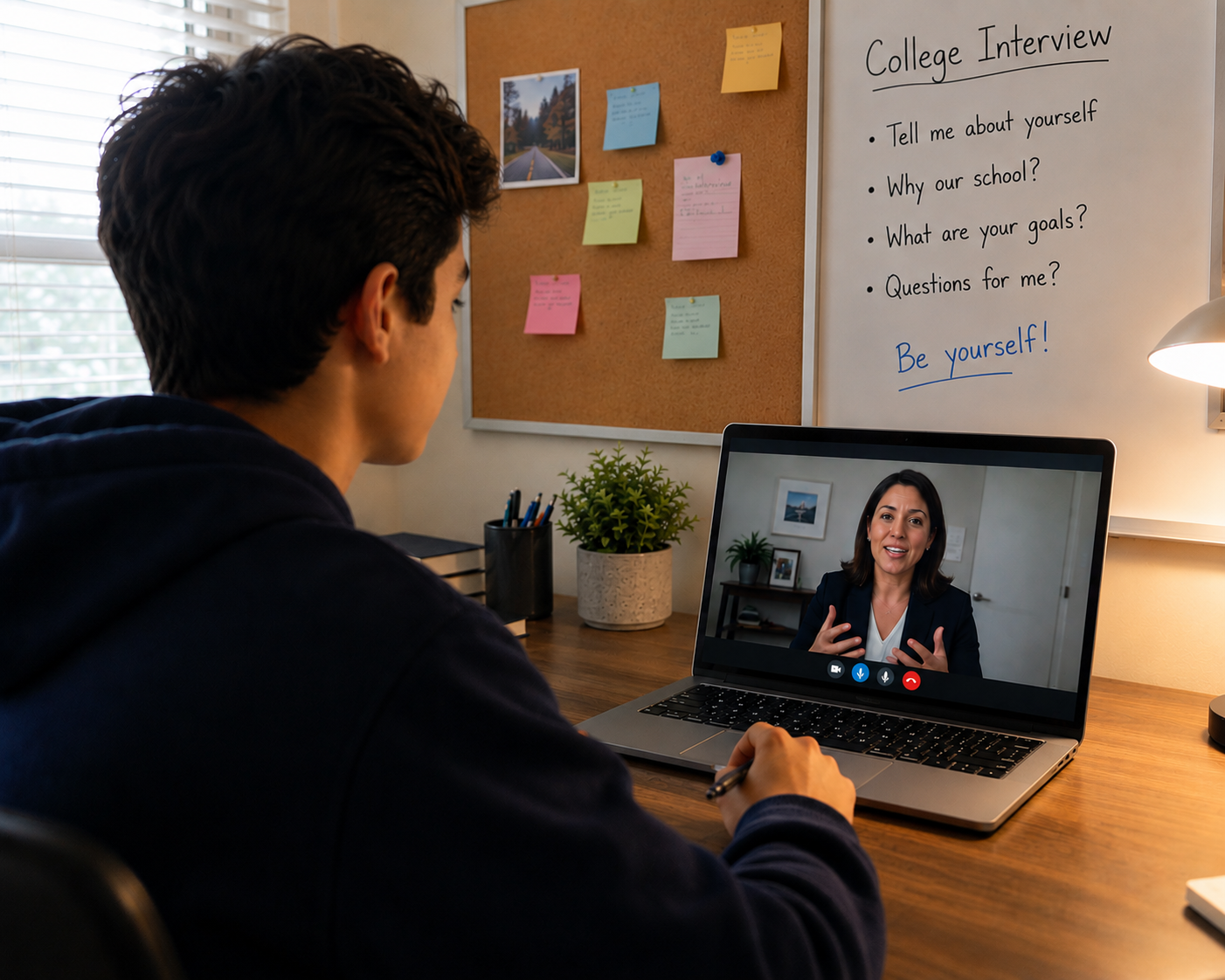
College Admissions Interviews: A Guide for International Students
.S. college admissions interviews are one of the most misunderstood aspects of the admissions process for international students.
With every university following its own policies, it can be difficult to know which opportunities matter and whether completing an interview will strengthen your application. Whether an interview is worth your time and investment depends on your college list, where you're applying from, and whether the interview will add something meaningful to your application.
Here's what every international applicant should know.
U.S. college admissions interviews are one of the most misunderstood aspects of the admissions process for international students.
With every university following its own policies, it can be difficult to know which opportunities matter and whether completing an interview will strengthen your application. Whether an interview is worth your time and investment depends on your college list, where you're applying from, and whether the interview will add something meaningful to your application.
Here's what every international applicant should know.

Do International Students Have to Interview for U.S. Colleges?
The short answer is no.
Most U.S. colleges do not require interviews for international undergraduate applicants. Instead, colleges may offer or accept one of three interview options:
An interview with an admissions officer
An interview with an alumni volunteer
A third-party interview through InitialView or Vericant
Colleges such as MIT and Harvard offer interviews to as many students as possible, while most colleges don't offer interviews at all. Some colleges, such as Brown, offer students the opportunity to submit their own video introductions instead. Others, such as Bennington, will send an interview request if they would like to ask additional questions.
Even when interviews are available, they're usually considered optional or recommended, rather than required.
That's why it's important to understand each college's policy before deciding whether to schedule one.
Why Do Colleges Offer Interviews?
For international applicants, interviews give admissions officers another opportunity to get to know the person behind the application. They help colleges understand:
Your communication style and level of English proficiency
Your academic and extracurricular interests
Your motivation for studying in the U.S.
Your personality and intellectual curiosity
Admissions officers are not looking for perfect English or memorized answers. They're looking for thoughtful, authentic conversations.
The Three Types of Interviews
Alumni Interviews - Many selective colleges offer interviews with alumni volunteers. These conversations are typically informal and focus on your interests, goals, and reasons for applying.
Admissions Interview - Some colleges offer interviews directly with members of the admissions office. These are usually conducted virtually and may be slightly more evaluative than alumni interviews.
InitialView and Vericant - When alumni or admissions interviews aren't available, many colleges accept third-party interviews through InitialView or Vericant. Instead of interviewing separately for multiple universities, you complete one professional interview that can be shared with participating colleges.
Both platforms include:
A live interview
Questions about your academics and activities
A recording that colleges can review
A proctored writing sample -students respond to a prompt in 20-30 min.
InitialView vs. Vericant
Families often ask me which platform is better. The truth is that neither is universally better. The right choice depends on the colleges you're applying to and which platform they recommend. Always check the admissions website for each college on your list before scheduling an interview. A big difference between the two platforms is that InitialView’s interview is more conversational, while Vericant is more structured and includes a picture description. Vericant provides colleges with a score of your English skills (Spoken English Evaluation), while InitialView does not.
Should You Complete One?
This is where personalized advice matters. I don't recommend interviews simply because they're available. Instead, we consider questions such as:
Will colleges actually review InitialView or Vericant?
Will the interview strengthen your application?
Are you comfortable communicating in English in an interview setting?
Is the cost worthwhile for your college list?
For some students, an interview is an excellent opportunity to showcase their personality and communication skills. For colleges that offer alumni or admissions interviews, you have an opportunity to demonstrate your interest in the school while allowing them to get to know you better.
Every student's application strategy should be individualized.
Tips for a Successful Interview
The strongest interviews don't come from students who memorize answers.
Instead:
Be prepared, but conversational
Share stories rather than reciting your résumé
Let your curiosity and enthusiasm come through
Don't be afraid to pause before answering a question
Admissions officers want to meet the real you—not a rehearsed version of you.
Final Thoughts
A college interview won't determine your admission on its own. But when used strategically, it can help admissions officers better understand the thoughtful, motivated student behind the application.
At ACM College Consulting, I help students develop an admissions strategy that reflects their individual strengths—not a one-size-fits-all checklist. That means deciding whether an InitialView or Vericant interview is worthwhile, preparing for alumni or admissions interviews, and helping students communicate their stories with confidence and authenticity.
If you're applying to U.S. colleges from abroad and aren't sure whether an interview should be part of your admissions strategy, I'd love to help. Together, we can build an application that highlights not only what you've accomplished, but who you are.
Notes:
Some schools such as Claremont McKenna prefer InitialView
Harvard and Duke are two of the schools which offer alumni interviews to many students, but not all. It is based on interviewer availability. If offered, they highly recommend you do it.
Georgetown requires an interview unless they are not offered in your region. They will provide you with the contact information for an interviewer in your area if available. Then, it is your responsibility to contact them and schedule the interview.

How to Prepare for a College Admissions Interview: A Complete Guide for Students
A college interview can be a wonderful opportunity to strengthen your application and make a lasting impression on an admissions officer or alumni interviewer. While interviews are rarely make-or-break, a strong performance can help humanize your application and highlight qualities that don’t always come through on paper.

With the right preparation, you can go into your college interview feeling confident and ready to stand out.
An admissions interview can be a wonderful opportunity to strengthen your application and make a lasting impression on an admissions officer or alumni interviewer. While interviews are rarely make-or-break, a strong performance can help humanize your application and highlight qualities that don’t always come through in the normal application.
Before the Interview: How to Prepare
1. Do Your Research
Spend time learning about the college before your interview. Understand the school’s academic strengths, campus culture, and values. Be prepared to explain why this school is a good fit for you specifically — not just why it’s a “good school.”
2. Show Up on Time (or Early)
Whether your interview is in person or virtual, punctuality matters. Arriving early shows responsibility, respect, and maturity — qualities colleges value.
3. Dress Professionally
You don’t need to wear a suit, but you should look neat, polished, and put together. First impressions matter, and proper attire shows that you are taking the interview seriously.
4. Prepare Your Personal Introduction
Be ready to give a brief introduction that highlights:
Your strengths
Your academic and extracurricular interests
What makes you unique
This is your chance to add something meaningful to your application file that admissions officers may not already know.
Common College Interview Questions
While every interview is different, many colleges ask similar questions. Practicing thoughtful, specific answers will help you feel more confident and natural.
You may be asked:
Why are you interested in attending this school?
Why did you choose this major or what majors are you considering?
What are your future academic and/or career goals?
Is there a project, paper, lab, or experience you are especially proud of?
What activities are you involved in, and which are most important to you? Why?
What would your teachers or friends say about you?
What are you interested in doing on campus outside the classroom?
How do you envision your college experience?
What books have you read recently, and what did you learn from them?
What are your summer plans?
What are your favorite classes and why?
What are your passions? What do you truly enjoy doing?
Tell me something about you that is not on your résumé or application.
Smart Questions Students Should Ask the Interviewer
At the end of the interview, you will almost always be asked if you have any questions. This is not just a formality — it’s an important part of the conversation. Thoughtful questions show curiosity, maturity, and genuine interest in the school.
Consider asking:
What did you love most about attending this school? (If the interviewer is an alum)
Do you feel the school provides strong resources for career exploration and development?
What was your favorite class or professor and why? (If the interviewer is an alum)
What is your favorite campus tradition?
What advice would you give a student hoping to make the most of their time there?
Always try to ask specific questions related to your interests or intended major. This demonstrates that you have done your research and are genuinely excited about the school. If your interviewer is an alum, note that they may not have responses to more specific questions about programs or majors, but they could have a wealth of insight into the campus community and culture. If you know their name before the interview, you can try to find them on LinkedIn, etc. to learn more about them beforehand.
Final Tips for a Successful College Interview
Be yourself — authenticity matters more than rehearsed answers
Practice out loud, but don’t memorize responses
Maintain good eye contact and positive body language
Send a brief thank-you email after the interview
A strong college interview won’t just improve your application — it can also help you clarify whether a school is the right fit for you.